See J.C. Todd’s riverviews on Lithuanian poetry.
Also see the Commentary upon Lithuanian poetry by the poets themselves.
For J.C.’s other columns on Lithuania:
Lilacs and a Resinous Will: Poetry Spring in Lithuania
International Poetry Festival
________
For an essay A Nation Sings Out
To visit the Anelauskas website with important essays on Lithuanian poetry, including:
About Modern Lithuanian Poetry
Maironis
Lithuanian Diaspora
________
Photo of Craig Czury used by permission of Craig Czury. All rights reserved.
Photo of J.C. Todd by Joanna Lightner. All rights reserved.
All others photos used by permission of J.C. Todd. All rights reserved.
Selected by
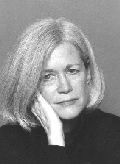 J.C. Todd
Poets
 Neringa Abrutyte was born in 1972 in Nida, Lithuania. She has studied
Lithuanian language and literature at the University of Vilnius and
published
2 poetry books whose titles in English are Autumn of Paradise (Rojaus
ruduo, 1995) and A confession
(Is pazinties, 1997). Her third book, Neringa’s l is forthcoming
from
Neringos.m press. She has appeared in poetry festivals in Lithuania
and
throughout Europe.
Neringa Abrutyte was born in 1972 in Nida, Lithuania. She has studied
Lithuanian language and literature at the University of Vilnius and
published
2 poetry books whose titles in English are Autumn of Paradise (Rojaus
ruduo, 1995) and A confession
(Is pazinties, 1997). Her third book, Neringa’s l is forthcoming
from
Neringos.m press. She has appeared in poetry festivals in Lithuania
and
throughout Europe. Eugenijus Alisanka was born in Barnaul, Russia, 1960. He has published
three
collections of poems: Ligiadienis (Equinox), 1992, awarded the best debut of the year
prize, Peleno miestas (City of Ash), 1995, also published in English, translator H. L.
Hix, by
the Northwestern University Press in 2000, and Godbone, 1999. He is also the author of two books
of
essays An Imagining Man, 1998 and Return of Dionysus, 2001. He has translated a
number
of contemporary poets including Szymorska, Carolyn Forché, Dannie Abse, and Jerome Rothenberg and has translated three poetry books into Lithuanian: Kerry Shaw Keys,
1999;
Zbigniew Herbert, 2001; Ales Debeljak, 2001. He has been editor of
Citizens,
an almanac on culture and literature, in 1991, 1995 and 1999 and a
fellow of
the International Writing Program in Iowa in 1995 and of the literary
project “Literary Express Europe 2000”. Currently he is a director
of
international programs at the Lithuanian Writers’ Union in Vilnius and secretary
general
of the Lithuanian PEN Center.
Eugenijus Alisanka was born in Barnaul, Russia, 1960. He has published
three
collections of poems: Ligiadienis (Equinox), 1992, awarded the best debut of the year
prize, Peleno miestas (City of Ash), 1995, also published in English, translator H. L.
Hix, by
the Northwestern University Press in 2000, and Godbone, 1999. He is also the author of two books
of
essays An Imagining Man, 1998 and Return of Dionysus, 2001. He has translated a
number
of contemporary poets including Szymorska, Carolyn Forché, Dannie Abse, and Jerome Rothenberg and has translated three poetry books into Lithuanian: Kerry Shaw Keys,
1999;
Zbigniew Herbert, 2001; Ales Debeljak, 2001. He has been editor of
Citizens,
an almanac on culture and literature, in 1991, 1995 and 1999 and a
fellow of
the International Writing Program in Iowa in 1995 and of the literary
project “Literary Express Europe 2000”. Currently he is a director
of
international programs at the Lithuanian Writers’ Union in Vilnius and secretary
general
of the Lithuanian PEN Center.
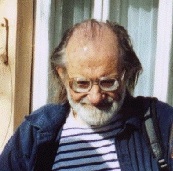 Vytautus P. Bloze was born in Baisogala, a northern village, in 1930, the son of
well-to-do
landowners. He underwent an exacerbated adolescence during the
prolonged
eclipse of Nazi occupation and Stalinist terror. He saw his father
first
condemned to death, then sentenced to Siberia for aiding the local
resistance. By 1953, both his parents and a sister had died in Siberian
exile. Bloze himself only survived by hiding out for a time.
Suppressing his
family identity, he managed to get work as a literary editor and
enrolled at
the Vilnius Teachers’ Institute. In the late
1960’s and
throughout the 1970’s, he suffered an enforced psychiatric
hospitalization,
marked, as he notes, by deliberate “misdiagnoses and mistreatments.”
In 1972
his work was banned as “anti-revolutionary.” Bloze hid it to avoid its
confiscation. What has been recovered has appeared since 1982 in
thirteen
collections and, translated into English by Jonas Zdanys, in Four
Lithuanian
Poets. Honors include the Lithuanian National Prize for Nocturnes in
1991,
the first National Prize awarded after Lithuanian Independence, and a
Poetry
Spring Laureate. He is also noted as a translator of
Pushkin, Schiller, Shakespeare, Rilke, Vallejo and Cavafy. (Note adapted from Vyt Bakaitis, Breathing Free,
Vilnius:
Lithuanian Writers Union, 2001 and from Laima Sruoginis, Lithuania: In
Her
Own Words, Vilnius: Tyto Alba, 1997.)
Vytautus P. Bloze was born in Baisogala, a northern village, in 1930, the son of
well-to-do
landowners. He underwent an exacerbated adolescence during the
prolonged
eclipse of Nazi occupation and Stalinist terror. He saw his father
first
condemned to death, then sentenced to Siberia for aiding the local
resistance. By 1953, both his parents and a sister had died in Siberian
exile. Bloze himself only survived by hiding out for a time.
Suppressing his
family identity, he managed to get work as a literary editor and
enrolled at
the Vilnius Teachers’ Institute. In the late
1960’s and
throughout the 1970’s, he suffered an enforced psychiatric
hospitalization,
marked, as he notes, by deliberate “misdiagnoses and mistreatments.”
In 1972
his work was banned as “anti-revolutionary.” Bloze hid it to avoid its
confiscation. What has been recovered has appeared since 1982 in
thirteen
collections and, translated into English by Jonas Zdanys, in Four
Lithuanian
Poets. Honors include the Lithuanian National Prize for Nocturnes in
1991,
the first National Prize awarded after Lithuanian Independence, and a
Poetry
Spring Laureate. He is also noted as a translator of
Pushkin, Schiller, Shakespeare, Rilke, Vallejo and Cavafy. (Note adapted from Vyt Bakaitis, Breathing Free,
Vilnius:
Lithuanian Writers Union, 2001 and from Laima Sruoginis, Lithuania: In
Her
Own Words, Vilnius: Tyto Alba, 1997.)
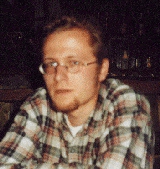 Marius Burokas is a poet and translator whose first collection of poetry, Ideograms (1999) was published in Vilnius; a second collection, Planning a Murder is forthcoming. His poems have appeared in Lithuanian, Finnish, and Russian Journals. In 2001, he was a fellow at the Iowa International Writing Program. He is a project manager and editor in Lithuania’s largest public relations company, Viesuju Ryiu Partneriai, while he completes graduate studies in Lithuanian literature at Vilnius University.
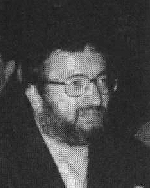 Sigitas Geda was born in 1943 in Pateriai, Lithuania. He is a poet and leading intellectual with more than twenty books, including literature for children, essays, reviews and translations. He translated The Book of Psalms and, most recently, The Works of Francois Villon and Edgar Lee Master’s A Spoon River Anthology. He has edited and compiled the first complete selection of Rilke’s work in Lithuanian and has done the same with Lithuanian poetry on the Holocaust. He is perhaps the most important and respected writer in Lithuania today, with a lyrical voice and a post-modern aesthetic that proves historical and metaphysical themes and the natural world with incredible insight and energy. Widely regarded as an innovative poet,
he
merges a pantheistic voice with a post-modern aesthetic. One of the
leading
intellectuals, he was involved with the Lithuanian reform movement,
“Sajudis.” A Selected Poems has recently appeared in Germany and Sweden, and an edition will be forthcoming in English.
Honors include the Poetry Spring Laureate and other awards. He participated in the Commentary on Lithuanian poetry in this issue. (Note
adapted
from Laima Sruoginis, Lithuania: In Her Own Words, Vilnius: Tyto Alba,
1997.)
Sigitas Geda was born in 1943 in Pateriai, Lithuania. He is a poet and leading intellectual with more than twenty books, including literature for children, essays, reviews and translations. He translated The Book of Psalms and, most recently, The Works of Francois Villon and Edgar Lee Master’s A Spoon River Anthology. He has edited and compiled the first complete selection of Rilke’s work in Lithuanian and has done the same with Lithuanian poetry on the Holocaust. He is perhaps the most important and respected writer in Lithuania today, with a lyrical voice and a post-modern aesthetic that proves historical and metaphysical themes and the natural world with incredible insight and energy. Widely regarded as an innovative poet,
he
merges a pantheistic voice with a post-modern aesthetic. One of the
leading
intellectuals, he was involved with the Lithuanian reform movement,
“Sajudis.” A Selected Poems has recently appeared in Germany and Sweden, and an edition will be forthcoming in English.
Honors include the Poetry Spring Laureate and other awards. He participated in the Commentary on Lithuanian poetry in this issue. (Note
adapted
from Laima Sruoginis, Lithuania: In Her Own Words, Vilnius: Tyto Alba,
1997.)
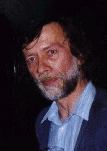 Antanas A. Jonynas A native of Lithuanian’s capital Vilnius,
Anatanas A.
Jonynas was born in 1953, came of age and grew into poetry while the
Soviet
state was in its decline there. Although many could read the signs, few
could
dispatch such ingeniously succinct appraisals of the actual state of
affairs,
nor render it from such precisely splenetic reserves. Jonynas has any
number
of caustically elegant love poems to his credit, and is noted for the
formal
dexterity of his verse, which is munificently evident in both parts of
the
highly resolved version of Goethe’s Faust he recently published. Note adapted from Vyt Bakaitis, Breathing Free,
Vilnius:
Lithuanian Writers Union, 2001.)
Antanas A. Jonynas A native of Lithuanian’s capital Vilnius,
Anatanas A.
Jonynas was born in 1953, came of age and grew into poetry while the
Soviet
state was in its decline there. Although many could read the signs, few
could
dispatch such ingeniously succinct appraisals of the actual state of
affairs,
nor render it from such precisely splenetic reserves. Jonynas has any
number
of caustically elegant love poems to his credit, and is noted for the
formal
dexterity of his verse, which is munificently evident in both parts of
the
highly resolved version of Goethe’s Faust he recently published. Note adapted from Vyt Bakaitis, Breathing Free,
Vilnius:
Lithuanian Writers Union, 2001.)
Laurynas Katkus Born in Vilnius, Lithuania, in 1972, Katkus studied Lithuanian and Comparative Literature in Vilnius and Leipzig. He worked in agriculture and as an interpreter, radio journalist and editor. In 1998 his collection of poems Balsai, ra teliai (Voices, Notes) was published. A second book, Nardymo pamokos (Diving lessons) is due to appear in 2002. His poems have been translated into English, German, Polish, Latvian and Belorussian. His translations into Lithuanian of R.M. Rilke, Gottfried Benn, e e cummings, Jerome Rothenberg, Susan Sontag and others have appeared in the press and as separate books. Currently Laurynas Katkus lives in Berlin. He participated in the Commentary on Lithuanian poetry in this issue.
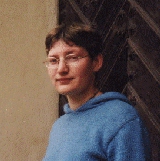 Giedre Kazlauskaite was born in Vilkaviskis, Lithuania, in 1980. As a youth, she
studied
art in Vilnius at the M. K. Ciurlionis National School of Art (1991 –
1995).
She is currently attending Vilnius University studying Lithuanian philology.
Her honors
include the 2000 Poetry Spring prize for the best debut in poetry and
publication of her first novel, Farewell, School in 2001. She participated in the Commentary on Lithuanian poetry in this issue.
Giedre Kazlauskaite was born in Vilkaviskis, Lithuania, in 1980. As a youth, she
studied
art in Vilnius at the M. K. Ciurlionis National School of Art (1991 –
1995).
She is currently attending Vilnius University studying Lithuanian philology.
Her honors
include the 2000 Poetry Spring prize for the best debut in poetry and
publication of her first novel, Farewell, School in 2001. She participated in the Commentary on Lithuanian poetry in this issue.
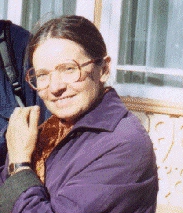 Nijole Miliauskaite was born in Keturvalakiai, Lithuania in 1950. Recipient of the 1996 Writer’s Union Prize, as well as a number of other Lithuanian and international literary prizes, Miliauskaite is regarded as one of Lithuania’s most subtle poets. She is the author of four books of poetry, all published in Lithuania. For the past twenty-five years she has devoted herself to her writing and to aiding her husband, the poet Vytautas Bloze, prepare his many manuscripts. She has a degree in Lithuanian literature from Vilnius University. Her
poems
appear in Lithuania: In Her Own Words, translated by Laima Sruoginis. She draws her poetic voice from a mixture of ritualized everyday routine that includes everything from tending her garden and collecting medicinal herbs to marketing and her personal spiritual practice that is a combination of meditation, yoga practice, Lithuanian pre-Christian tradition and Catholicism. She and her husband live in the town of Druskininkai. (Note adapted from Laima Sruoginis, Lithuania: In
Her
Own Words, Vilnius: Tyto Alba, 1997.)
Nijole Miliauskaite was born in Keturvalakiai, Lithuania in 1950. Recipient of the 1996 Writer’s Union Prize, as well as a number of other Lithuanian and international literary prizes, Miliauskaite is regarded as one of Lithuania’s most subtle poets. She is the author of four books of poetry, all published in Lithuania. For the past twenty-five years she has devoted herself to her writing and to aiding her husband, the poet Vytautas Bloze, prepare his many manuscripts. She has a degree in Lithuanian literature from Vilnius University. Her
poems
appear in Lithuania: In Her Own Words, translated by Laima Sruoginis. She draws her poetic voice from a mixture of ritualized everyday routine that includes everything from tending her garden and collecting medicinal herbs to marketing and her personal spiritual practice that is a combination of meditation, yoga practice, Lithuanian pre-Christian tradition and Catholicism. She and her husband live in the town of Druskininkai. (Note adapted from Laima Sruoginis, Lithuania: In
Her
Own Words, Vilnius: Tyto Alba, 1997.)
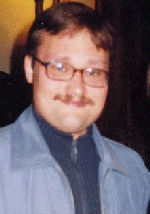 Mindaugas Kvietkauskas
was born in 1976 in Panevezys, Lithuania. Kvietkauskas studied Lithuanian literature
at
Vilnius University and the Cultural History of Middle and Eastern Europe at
the
universities of Warsaw and Cracow and is currently working on postgraduate studies at Vilnius
University (comparative studies of Lithuanian, Polish,
Belarus and
Yiddish literature).
His first book of poetry “Rabi” was published in 1998. He is also a literary
critic and
an essayist and an editor of the Lithuanian literary monthly “Metai.” He is represented by an article in the Commentary on Lithuanian poetry.
Mindaugas Kvietkauskas
was born in 1976 in Panevezys, Lithuania. Kvietkauskas studied Lithuanian literature
at
Vilnius University and the Cultural History of Middle and Eastern Europe at
the
universities of Warsaw and Cracow and is currently working on postgraduate studies at Vilnius
University (comparative studies of Lithuanian, Polish,
Belarus and
Yiddish literature).
His first book of poetry “Rabi” was published in 1998. He is also a literary
critic and
an essayist and an editor of the Lithuanian literary monthly “Metai.” He is represented by an article in the Commentary on Lithuanian poetry.
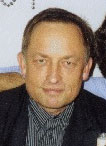 Kornelijus Platelis, born in Siauliai, Lithuania, in 1951 came into poetry
while
stationed in Afghanistan as an engineer in the Soviet army. He has
authored
a seminal essay on the ecology of culture, “Being by the Nemunas,” and
six
collections of poetry, of which one, Snare for the Wind has also been
published
in English with Jonas Zdanys as translator. Zdanys’ translations
of Platelis are also included in Four Lithuanian Poets. Platelis has translated poems by
Heaney, Pound, Hughes, Shelley, Keats and Symborska and hymns from the
Rigveda. Formerly the Minister of Education and Sciences and a Deputy
Minister of
Culture and Education for Lithuania, and a President of Lithuanian PEN
Centre, he has directed VAGA, the major literary publisher, and
currently is
editor-in-chief of the literary weekly Literatura ir menas (Literature
& Art). His honors include the Jotvingiai Prize and the Poetry Spring Laureate. He participated in the Commentary on Lithuanian poetry in this issue.
Kornelijus Platelis, born in Siauliai, Lithuania, in 1951 came into poetry
while
stationed in Afghanistan as an engineer in the Soviet army. He has
authored
a seminal essay on the ecology of culture, “Being by the Nemunas,” and
six
collections of poetry, of which one, Snare for the Wind has also been
published
in English with Jonas Zdanys as translator. Zdanys’ translations
of Platelis are also included in Four Lithuanian Poets. Platelis has translated poems by
Heaney, Pound, Hughes, Shelley, Keats and Symborska and hymns from the
Rigveda. Formerly the Minister of Education and Sciences and a Deputy
Minister of
Culture and Education for Lithuania, and a President of Lithuanian PEN
Centre, he has directed VAGA, the major literary publisher, and
currently is
editor-in-chief of the literary weekly Literatura ir menas (Literature
& Art). His honors include the Jotvingiai Prize and the Poetry Spring Laureate. He participated in the Commentary on Lithuanian poetry in this issue.
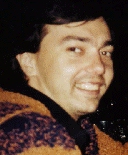 Arturas Valionis(b. Druskininkai, Lithuania, 1973), has published
widely in
the major literary and art magazines and poetry anthologies in
Lithuania. His first volume of poetry, In Those Beautiful Years of Great
Disappointments, is forthcoming in Lithuanian. He has an MA in
Society and
Politics and a Ph.D. in Sociology from Warsaw University, and was a
visiting
scholar at the New School for Social Research in New York in 1995.
Awards
include the best debut in the 1995 Poetry Spring anthology.
Arturas Valionis(b. Druskininkai, Lithuania, 1973), has published
widely in
the major literary and art magazines and poetry anthologies in
Lithuania. His first volume of poetry, In Those Beautiful Years of Great
Disappointments, is forthcoming in Lithuanian. He has an MA in
Society and
Politics and a Ph.D. in Sociology from Warsaw University, and was a
visiting
scholar at the New School for Social Research in New York in 1995.
Awards
include the best debut in the 1995 Poetry Spring anthology.
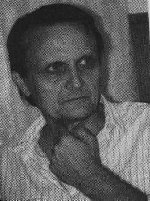 Vyt Bakaitis has published a book of poems
City
Country ( New York: Black Thistle Press), a book of visual poems and
photographs con/structs ( NY: Arunas K. Photo + Graphics), and a
generous
selection of his translations from Lithuanian poetry, largely from the
past
century, Breathing Free ( Vilnius: Lithuanian Writers Union). He lives
in
Brooklyn. His work is available online at www.efn.org. In this issue, he translated the untitled poem and “The Three Wrights” by Vytautas P. Bloze and work by Antanas A. Jonynas.
Vyt Bakaitis has published a book of poems
City
Country ( New York: Black Thistle Press), a book of visual poems and
photographs con/structs ( NY: Arunas K. Photo + Graphics), and a
generous
selection of his translations from Lithuanian poetry, largely from the
past
century, Breathing Free ( Vilnius: Lithuanian Writers Union). He lives
in
Brooklyn. His work is available online at www.efn.org. In this issue, he translated the untitled poem and “The Three Wrights” by Vytautas P. Bloze and work by Antanas A. Jonynas.
 Craig Czury
is the author of several
small
press collections of poetry, most recently, Closing Out, and a
Russian/English edition of Parallel Rivertime. He has also edited an
anthology of prison poets, Fine Line that Screams from his Northeast
Pennsylvania Prison Poetry. In Lithuania his poems have been
anthologized in
Poezijos Pavasaris ’99, and published widely in 7 Dienos Menos and
Literatura
ir Menas, with interviews appearing in Kulturos Barai and Respublica
national
newspaper. A selected volume of Czury’s poems in Lithuanian is
published by
Vario Burnos, 2001. Craig’s website is www.poet-in-education.com. In this issue he has translated Arturas Valionis.
Craig Czury
is the author of several
small
press collections of poetry, most recently, Closing Out, and a
Russian/English edition of Parallel Rivertime. He has also edited an
anthology of prison poets, Fine Line that Screams from his Northeast
Pennsylvania Prison Poetry. In Lithuania his poems have been
anthologized in
Poezijos Pavasaris ’99, and published widely in 7 Dienos Menos and
Literatura
ir Menas, with interviews appearing in Kulturos Barai and Respublica
national
newspaper. A selected volume of Czury’s poems in Lithuanian is
published by
Vario Burnos, 2001. Craig’s website is www.poet-in-education.com. In this issue he has translated Arturas Valionis.
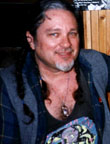 Kerry Shawn Keys comes from the Susquehanna Valley of Central Pennsylvania in the United States. He lives in Vilnius, Lithuania where he taught translation theory and creative composition from 1998 to 2000 as a Fulbright lecturer at Vilnius University. He currently freelances as a poet, translator, and cultural liaison. He has over
30 books to his credit, including translations from Portuguese and Lithuanian, and his own poems rooted in the Appalachia hill country, and in Brazil and India where he lived for considerable time. His work ranges from theatre-dance pieces to flamenco songs to the Tao Te Ching to lyrical and intense ontological concerns. He received the Robert H. Winner Memorial Award from the Poetry Society of America in 1992. Selected poems have appeared in Czech and Lithuanian.
In this issue, he has translated the works Marius Burokas, Laurynas Katkus, Kornelijus Platelis, Eugenijus Alisanka and co-translated Sigitas Geda.
Kerry Shawn Keys comes from the Susquehanna Valley of Central Pennsylvania in the United States. He lives in Vilnius, Lithuania where he taught translation theory and creative composition from 1998 to 2000 as a Fulbright lecturer at Vilnius University. He currently freelances as a poet, translator, and cultural liaison. He has over
30 books to his credit, including translations from Portuguese and Lithuanian, and his own poems rooted in the Appalachia hill country, and in Brazil and India where he lived for considerable time. His work ranges from theatre-dance pieces to flamenco songs to the Tao Te Ching to lyrical and intense ontological concerns. He received the Robert H. Winner Memorial Award from the Poetry Society of America in 1992. Selected poems have appeared in Czech and Lithuanian.
In this issue, he has translated the works Marius Burokas, Laurynas Katkus, Kornelijus Platelis, Eugenijus Alisanka and co-translated Sigitas Geda.
Judita Glauberson A Lithuanian translator and interpreter, Judita Glauberson has translated poems by Sigitas Geda and Laurynas Katkus and the screen script of the Lithuanian film BLINDA by Deima Kelias and Karolis Jankus into English. Her translations into Lithuanian include poems by Jerome Rothenberg, the radio play The Jericho Players by Bernard Kops and sections of the Encyclopaedia of Mythology (GAMTA, 1999). She has a BA in English Philology from Vilnius University. She also translates for the Chief Rabbi of Lithuania. She has co-translated Sigitas Geda.
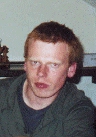 Edgaras Platelis has co-translated into English the
poems of
Sigitas Geda and into Lithuanian the Tim Severin novel The Syndbad’s
Voyage
(Vilnius, VAGA, 1999). Son of poet Kornelijus Platelis, he has a
Masters in
World Literature from Vilnius University. He has co-translated Sigitas
Geda.
Edgaras Platelis has co-translated into English the
poems of
Sigitas Geda and into Lithuanian the Tim Severin novel The Syndbad’s
Voyage
(Vilnius, VAGA, 1999). Son of poet Kornelijus Platelis, he has a
Masters in
World Literature from Vilnius University. He has co-translated Sigitas
Geda.
Laima Sruoginis, a poet and translator, has published an anthology of
Lithuanian poetry in translation, Lithuania: In Her Own Words (Tyto
Alba,
Vilnius, 1997), and her own poetry and essays in journals such as
Modern
Poetry in Translation, The Beloit Poetry Journal, The Artful Dodger and
others. She has received an Academy of American Poets Award, two New
York
State Poetry Fellowships, a Yeats Fellowship and a Literary
Translator’s
Award from the Lithuanian Poetry Spring Festival Committee. A
Fulbright
Lecturer at Vilnius University in 1997, presently she is an assistant
professor of English at the University of Southern Maine. Born in the
United
States, she studied at the Lithuanian Gymnasium in Lampertheim,
Germany, and
at Vilnius University, where she also was a volunteer translator and
interpretor for “Sajudis,” the Lithuanian grassroot resistance
movement. She
has an M.F.A. in Creative Writing from Columbia University. Her work is available online at www.efn.org. She translated Nijole Miliauskaite and her essay The Nation Sings on Lithuania poetry is included in this issue.
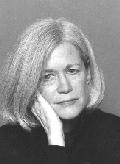 J.C. Todd has authored two chapbooks of poems, Nightshade (2000, 1995),
and Entering Pisces (1985), both published by Pine Press. Nightshade, a
finalist in the Flume Press chapbook contest, is distributed by Spring Church
Books. Her poems have appeared in such literary journals as The Paris
Review, Prairie Schooner, Virginia Quarterly Review and Beloit Poetry Journal
and her translations of poems by the Ecuadorean writer Ivón Gordon Vailakis
in Crab Orchard Review. She wrote the entries on Lucille Clifton and
Etheridge Knight for The Oxford Companion to Twentieth Century Poetry in
English. She has received a 2001 Leeway Award for Poetry, a Fellowship in Poetry, and
grants from the Pennsylvania Council on the Arts as well as four Pushcart
Prize nominations for poetry. She has been a fellow in poetry at the
Virginia Center for Creative Arts and the Hambidge Center. Recipient of a
New Jersey Governor’s Award for Arts Education and a Distinguished Teaching
Artist award for poetry workshops offered through the New Jersey Writers’
Project, she also teaches in the Writing for College program at Bryn Mawr
College and the poetry program of the Geraldine R. Dodge Foundation. She is
a graduate of the M.F.A. Program for Writers at Warren Wilson College. She is a Contributing Editor for The Drunken Boat. She edited this feature of Lithuanian poetry and translated the work of Giedre Kazlauskaite.
J.C. Todd has authored two chapbooks of poems, Nightshade (2000, 1995),
and Entering Pisces (1985), both published by Pine Press. Nightshade, a
finalist in the Flume Press chapbook contest, is distributed by Spring Church
Books. Her poems have appeared in such literary journals as The Paris
Review, Prairie Schooner, Virginia Quarterly Review and Beloit Poetry Journal
and her translations of poems by the Ecuadorean writer Ivón Gordon Vailakis
in Crab Orchard Review. She wrote the entries on Lucille Clifton and
Etheridge Knight for The Oxford Companion to Twentieth Century Poetry in
English. She has received a 2001 Leeway Award for Poetry, a Fellowship in Poetry, and
grants from the Pennsylvania Council on the Arts as well as four Pushcart
Prize nominations for poetry. She has been a fellow in poetry at the
Virginia Center for Creative Arts and the Hambidge Center. Recipient of a
New Jersey Governor’s Award for Arts Education and a Distinguished Teaching
Artist award for poetry workshops offered through the New Jersey Writers’
Project, she also teaches in the Writing for College program at Bryn Mawr
College and the poetry program of the Geraldine R. Dodge Foundation. She is
a graduate of the M.F.A. Program for Writers at Warren Wilson College. She is a Contributing Editor for The Drunken Boat. She edited this feature of Lithuanian poetry and translated the work of Giedre Kazlauskaite.
Egle Verseckaite has translated the poetry of Neringa Abrutyte in this issue.
 Jonas Zdanys born in the U.S. a few months after his parents
immigrated from
a United Nations camp for Lithuanian refugees, is an award-winning poet
and a
leading Lithuanian-American translator. He is the author of more than twenty
books,
including collections of his own poetry and translations of work by
modern
Lithuanian poets and prose writers. His work has received support from
the
National Endowment for the Arts, the Connecticut Commission on the
Arts, the
Yale University Center for International and Area Studies, and the
Lithuanian
Ministry of Culture and Education. Formerly an Associate Dean at Yale
University and a professor at the State University of New York,
currently he
is Chief Academic Officer in the Connecticut Department of Higher
Education. His work is available online at www.efn.org. In this issue he translated “St. Elizabeth’s Hospital” by Kornelijus Platelis and “Musa Domestica” by Vytautas P. Bloze.
Jonas Zdanys born in the U.S. a few months after his parents
immigrated from
a United Nations camp for Lithuanian refugees, is an award-winning poet
and a
leading Lithuanian-American translator. He is the author of more than twenty
books,
including collections of his own poetry and translations of work by
modern
Lithuanian poets and prose writers. His work has received support from
the
National Endowment for the Arts, the Connecticut Commission on the
Arts, the
Yale University Center for International and Area Studies, and the
Lithuanian
Ministry of Culture and Education. Formerly an Associate Dean at Yale
University and a professor at the State University of New York,
currently he
is Chief Academic Officer in the Connecticut Department of Higher
Education. His work is available online at www.efn.org. In this issue he translated “St. Elizabeth’s Hospital” by Kornelijus Platelis and “Musa Domestica” by Vytautas P. Bloze.
Sam Witt and Clay Witt
Sam Witt authored two collections of poetry, Everlasting Quail
(University
Press of New England, 2001) and Black Flames (TRS, 1997). His poems
have
appeared in Fence,Salon and other journals. Honors include a first
place in
the New Millenium awards and a Bread Loaf Conference Award for poetry.
A
graduate of the Iowa Writers Workshop, this year he is a visiting
writer at
Boise State University. His brother Clay co-translated “The Kiss” by Arturas Valionis.
